
- Your cart is empty
- Continue Shopping
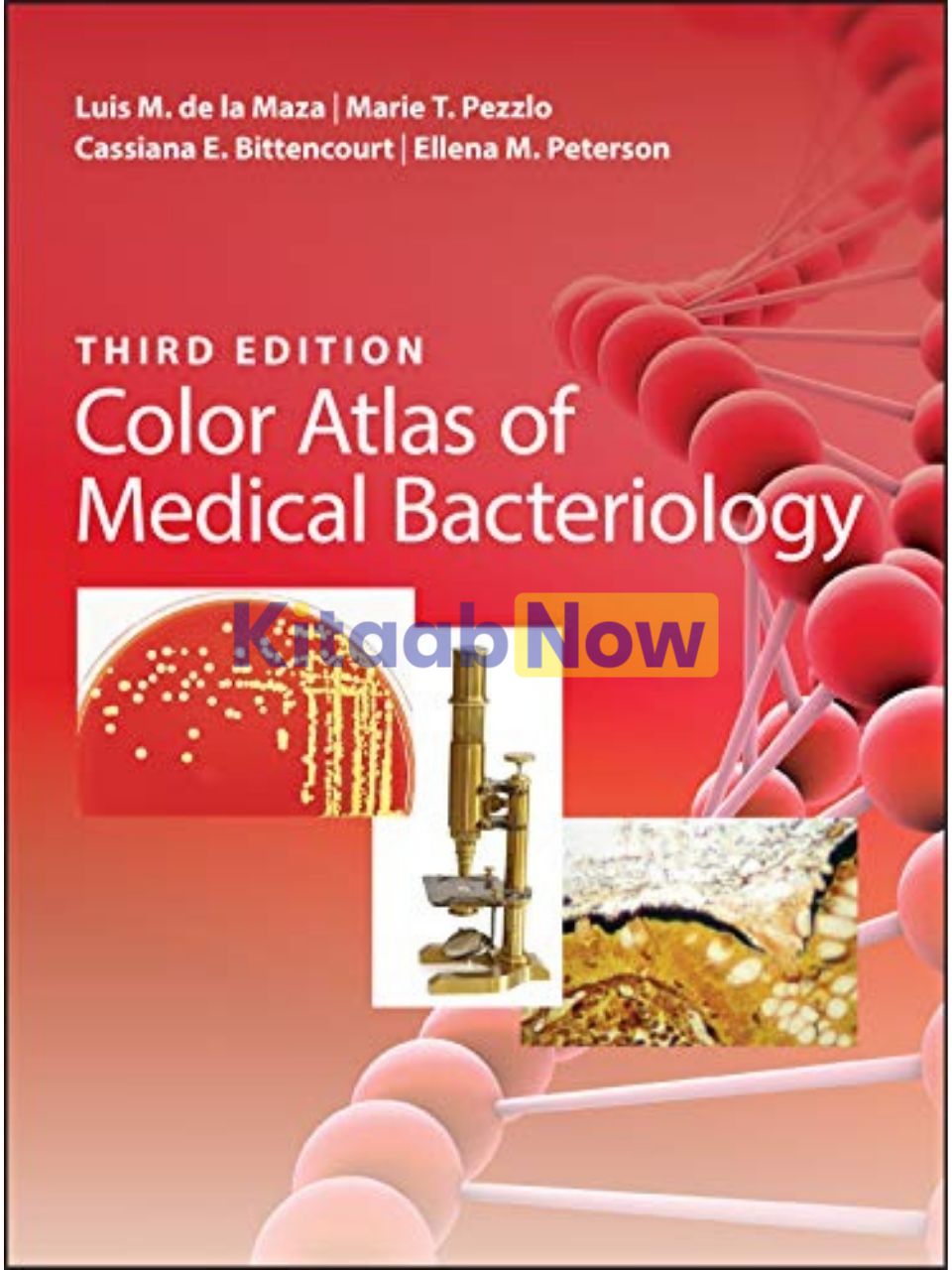
Color Atlas of Medical Bacteriology (3rd Edition)
44% off
DescriptionThis unique visual reference presents more than 750 brilliant, four-color images of bacterial isolates commonly encountered in diagnostic microbiology and the methods used to identify them, including microscopic and phenotypic characteristics, colony morphology, and biochemical properties.Chapters cover the most important bacterial pathogens and related organisms, including updated taxonomy, epidemiology, pathogenicity, laboratory and antibiotic susceptibility testing, and molecular biology methodologyTables summarize and compare key biochemical reactions and other significant characteristicsNew to this edition is a separate chapter covering the latest developments in total laboratory automationThe comprehensive chapter on stains, media, and reagents is now augmented with histopathology imagesA new Fast Facts chapter presents tables that summarize and illustrate the most significant details for some of the more commonly encountered organismsFor the first time, this easy-to-use atlas is available digitally for enhanced searching. Color Atlas of Medical Bacteriology remains the most valuable illustrative supplement for lectures and laboratory presentations, as well as for laboratorians, clinicians, students, and anyone interested in diagnostic medical bacteriology.Table of ContentsPreface ixAcknowledgments xiTechnical Note xiAbout the Authors xiiiStaphylococcus, Micrococcus, and Other Catalase‐Positive Cocci 1Streptococcus 11Enterococcus 24Aerococcus, Abiotrophia, and Other Miscellaneous Gram-Positive Cocci That Grow Aerobically 30Coryneform Gram-Positive Bacilli 36Listeria and Erysipelothrix 48Bacillus 54Nocardia, Rhodococcus, Actinomadura, Streptomyces, Gordonia, and Other Aerobic Actinomycetes 62Mycobacterium 70Introduction to Enterobacterales 91Escherichia, Shigella, and Salmonella 103Klebsiella, Enterobacter, Citrobacter, Cronobacter, Serratia, Plesiomonas, and Selected Other Enterobacterales 113Yersinia 129Vibrionaceae 134Aeromonas 141Pseudomonas 145Burkholderia, Stenotrophomonas, Ralstonia, Cupriavidus, Pandoraea, Brevundimonas, Comamonas, Delftia, and Acidovorax 150Acinetobacter, Chryseobacterium, Moraxella, Methylobacterium, and Other Nonfermentative Gram-Negative Bacilli 157Actinobacillus, Aggregatibacter, Capnocytophaga, Eikenella, Kingella, Pasteurella, and Other Fastidious or Rarely Encountered Gram-Negative Bacilli 168Legionella 180Neisseria 184Haemophilus 191Bordetella and Related Genera 197Brucella 203Bartonella 207Francisella 210Introduction to Anaerobic Bacteria 213Clostridium and Clostridioides 22329 Peptostreptococcus, Finegoldia, Anaerococcus, Peptoniphilus, Cutibacterium, Lactobacillus, Actinomyces, and Other Non-Spore-Forming, Anaerobic Gram-Positive Bacteria 237Bacteroides, Porphyromonas, Prevotella, Fusobacterium, and Other Anaerobic Gram-Negative Bacteria 252Campylobacter and Arcobacter 261Helicobacter 267Chlamydia 272Mycoplasma and Ureaplasma 277Leptospira, Borrelia, Treponema, and Brachyspira 281Rickettsia, Orientia, Ehrlichia, Anaplasma, and Coxiella 290Tropheryma whipplei 297Antimicrobial Susceptibility Testing 299Molecular Diagnosis of Bacterial Infections 307Total Laboratory Automation 330Stains, Media, Reagents, and Histopathology 338Fast Facts: Bacteria 367Index 421Authors BiographyLuis M. de la Maza became the Medical Director of the Division of Medical Microbiology at the University of California, Irvine School of Medicine in 1979, where he is also the Medical Director of the Clinical Laboratory Scientist training program. His research is focused on the formulation of a Chlamydia trachomatis vaccine.Marie T. Pezzlo is the Senior Supervisor of the Medical Microbiology Division at the University of California, Irvine Medical Center. Throughout her career she has been an active member and supporter of the American Society for Microbiology. Her research interest has been focused on rapid detection of microorganisms, especially in urinary tract infections.Cassiana E. Bittencourt joined the Department of Pathology at the University of California, Irvine School of Medicine in 2016 as Medical Director of the Division of Medical Microbiology. Her current interests include infectious disease histology, application of non-culture-based methods, and resident education.Ellena M. Peterson joined the Department of Pathology at the University of California, Irvine School of Medicine in 1978. She has served as Associate Dean of Admissions for the School of Medicine and as Associate Director of the Clinical Microbiology Laboratory and presently is Program Director of the Clinical Laboratory Scientist Program. Her research has been focused on the pathogenicity of Chlamydia.
Related products


87% off
50% off

55% off

67% off