
- Your cart is empty
- Continue Shopping
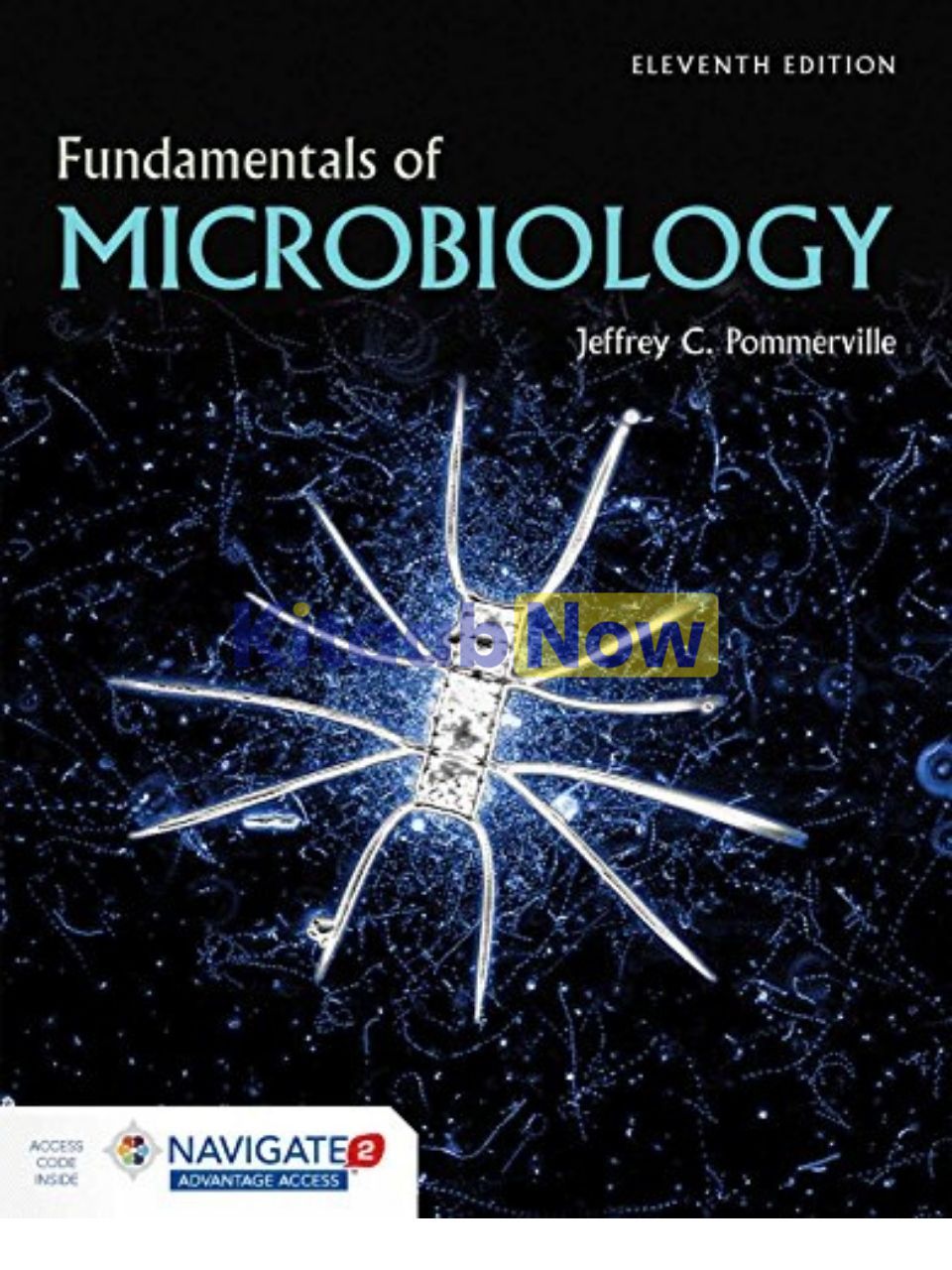
Fundamentals of Microbiology (11th Revised Edition)
44% off
DescriptionPommerville’s Fundamentals of Microbiology has done it again, as the easy choice for introductory microbiology was just made easier. Now with a new modern and intuitive design, a deeper focus on career application, and exciting new features, the Eleventh Edition has raised the bar for introductory microbiology textbooks.Fundamentals of Microbiology is a true learning solution. Jeff Pommerville invites you to discover microbiology as no other author can, with his relatable examples and smooth writing style. Features such as Investigating the Microbial World, MicroInquiry, and Chapter Challenges are student-friendly resources designed to teach concepts and encourage practical application. Instructors will be pleased to find the organizational framework of the text reflects the Curriculum Guidelines for Undergraduate Microbiology as recommended by the American Society for Microbiology and also addresses the AAAS “Vision and Change” recommendations.Table of ContentsBrief ContentsContentsPrefaceThe Student ExperienceTeaching ToolsAcknowledgmentsAbout the AuthorTo the Student—Study SmartPART I Foundations of MicrobiologyChapter 1: Microbiology: Then and NowThe Discovery of Microbes Leads to Questioning Their OriginsDisease Transmission Can Be PreventedThe Classical Golden Age of Microbiology Reveals the GermWith the Discovery of Other Microbes, the Microbial World ExpandsThe Second Golden Age of Microbiology Involves the Birth of Molecular Biology and ChemotherapyA Third Golden Age of Microbiology Is NowChapter ReviewChapter 2: The Chemical Building Blocks of LifeOrganisms Are Composed of AtomsChemical Bonds Form Between Reactive AtomsAll Living Organisms Depend on WaterLiving Organisms Are Composed of Four Types of Organic CompoundsChapter ReviewChapter 3: Concepts and Tools for Studying MicroorganismsProkaryotes Are Not Simple, Primitive OrganismsClassifying Microorganisms Reveals Relationships Between OrganismsMicroscopy Is Used to Visualize the Structure of CellsChapter ReviewChapter 4: Structure and Organization of Prokaryotic CellsProkaryotes Can Be Distinguished by Their Cell Shape and ArrangementsBacterial and Archaeal Cells Have an Organized StructureCell-Surface Structures Interact with the EnvironmentMost Prokaryotic Cells Have a Cell EnvelopeThe Cell Cytoplasm Is Packed with Internal StructuresThere Is Tremendous Diversity Among the Domains Bacteria and ArchaeaChapter ReviewChapter 5: Microbial Growth and NutritionMicrobial Reproduction and Growth Are Part of the Cell CycleOptimal Growth Is Dependent on Several Physical and Chemical FactorsCulture Media Are Used to Grow Microbes and Measure Their GrowthChapter ReviewChapter 6: Microbial MetabolismEnzymes and Energy Drive Cellular MetabolismGlucose Catabolism Generates Cellular EnergyThere Are Other Pathways to ATP ProductionPhotosynthesis Converts Light Energy to Chemical EnergyMicrobes Exhibit Metabolic DiversityChapter ReviewPART II The Genetics of MicroorganismsChapter 7: Microbial GeneticsThe Hereditary Molecule in All Organisms Is DNADNA Replication Is Part of the Cell CycleGene Expression Produces RNA and Protein for Cell FunctionMutations Are Heritable Changes in a Cell’s DNATechniques Exist for Identifying MutantsChapter ReviewChapter 8: Gene Transfer, Genetic Engineering, and GenomicsBacterial Cells Can Recombine Genes in Several WaysGenetic Engineering Involves the Deliberate Transfer of Genes Between OrganismsMicrobial Genomics Studies Genes and Genomes at the Single-Cell to Community LevelsChapter ReviewPART III The Control of MicroorganismsChapter 9: Control of Microorganisms: Physical Methods and Chemical AgentsMicrobial Growth Can Be Controlled in Several WaysThere Are Various Physical Methods to Control Microbial GrowthChemical Control Usually Involves DisinfectionA Variety of Chemical Agents Can Control Microbial GrowthChapter ReviewChapter 10: Control of Microorganisms: Antimicrobial Drugs and SuperbugsAntimicrobial Agents Are Chemical Substances Used to Treat Infectious DiseaseSynthetic Antibacterial Agents Primarily Inhibit DNA Synthesis and Cell Wall FormationBeta-Lactam Antibiotics Target Bacterial Cell Wall SynthesisOther Antibiotics Target Some Aspect of MetabolismOther Antimicrobial Drugs Target Viruses, Fungi, and ParasitesAntimicrobial Drug Resistance Is a Growing ChallengeChapter ReviewPART IV Bacterial Diseases of HumansChapter 11: Airborne Bacterial DiseasesThe Respiratory System and a Resident Microbiome Normally Impede Bacterial ColonizationSeveral Bacterial Diseases Affect the Upper Respiratory TractMany Bacterial Diseases of the Lower Respiratory Tract Can Be Life ThreateningChapter ReviewChapter 12: Foodborne and Waterborne Bacterial DiseasesThe Digestive System Has Diverse Resident MicrobiomesBacterial Diseases of the Oral Cavity Can Affect One’s Overall HealthBacterial Diseases of the GI Tract Are Usually Spread Through Food and WaterSome Bacterial Diseases Are the Result of Foodborne IntoxicationsGI Infections Can Be Caused by Several Bacterial PathogensChapter ReviewChapter 13: Soilborne and Arthropod-Borne Bacterial DiseasesSeveral Soilborne Bacterial Diseases Develop from EndosporesSome Bacterial Diseases Can Be Transmitted by ArthropodsRickettsial and Ehrlichial Diseases Are Spread by ArthropodsChapter ReviewChapter 14: Sexually Transmitted and Contact Transmitted Bacterial DiseasesPortions of the Female and Male Reproductive Systems Contain a Resident MicrobiomeMany Sexually Transmitted Infections Are Caused by BacteriaUrinary Tract Infections Are the Second Most Common Body InfectionContact Diseases Can Be Caused by Resident Bacterial SpeciesContact Diseases Also Can Be Caused by Bacterial Species That Originate ExternallySeveral Contact Diseases Affect the EyeChapter ReviewChapter 15: The Viruses and Virus-Like AgentsFilterable Infectious Agents Cause DiseaseViruses Have a Simple Structural OrganizationViruses Can Be Classified by Their GenomeVirus Replication Follows a Set of Common StepsViruses and Their Infections Can Be Detected in Various WaysSome Viruses Are Associated with Human Tumors and CancersEmerging Viruses Arise from Genetic Recombination and MutationPrions Are Infectious, Virus-Like AgentsChapter ReviewChapter 16: Viral Infections of the Respiratory Tract and SkinViruses Account for Many Upper Respiratory Tract InfectionsViral Infections of the Lower Respiratory Tract Can Be SevereHerpesviruses Cause Several Human Skin DiseasesSeveral Other Viral Diseases Affect the SkinChapter ReviewChapter 17: Viral Infections of the Blood, Lymphatic, Gastrointestinal, and Nervous SystemsViral Infections Can Affect the Blood and the Lymphatic SystemsSome Viral Diseases Cause Hemorrhagic FeversViral Infections of the Gastrointestinal Tract Are Major Global Health ChallengesViral Diseases of the Nervous System Can Be DeadlyChapter ReviewChapter 18: Eukaryotic Microorganisms: The FungiThe Kingdom Fungi Includes the Molds and YeastsFungal Growth and Reproduction Are Dependent on SporesFungi Have Evolved into a Variety of FormsSome Fungi Can Invade the SkinSeveral Fungal Pathogens Cause Lower Respiratory Tract DiseasesChapter ReviewChapter 19: Eukaryotic Microorganisms: The ParasitesProtists Exhibit Great Structural and Functional DiversityProtistan Parasites Attack the Skin and the Digestive and Urinary TractsMany Protistan Diseases of the Blood and Nervous System Can Be Life ThreateningParasitic Helminths Cause Substantial Morbidity WorldwideChapter ReviewPART VI Interactions and Impact of Microorganisms with HumansChapter 20: The Host-Microbe Relationship and EpidemiologyThe Host and Microbe: An Intimate Relationship in Health and DiseaseThe Host and Microbe: Establishment of Infection and DiseaseEpidemiology Is the Foundation of Public HealthChapter ReviewChapter 21: Resistance and the Immune System: Innate ImmunityThe Immune System Is a Network of Cells and Molecules to Defend Against Foreign SubstancesSurface Barriers Are Part of Innate ImmunityCoordinated Cellular Defenses Respond to Pathogen InvasionEffector Molecules Damage Invading PathogensChapter ReviewChapter 22: Resistance and the Immune System: Adaptive ImmunityThe Adaptive Immune Response Targets a Specific Invading PathogenHumoral Immunity Is an Antibody Response to Pathogens in Body FluidsCell-Mediated Immunity Detects and Eliminates Intracellular PathogensChapter ReviewChapter 23: Immunization and SerologyImmunity to Disease Can Be Generated Naturally or ArtificiallySerological Reactions Can Be Used to Diagnose DiseaseMonoclonal Antibodies Are Used for ImmunotherapyChapter ReviewChapter 24: Immune Disorders and AIDSType I Hypersensitivity Represents a Familiar Allergic ResponseOther Types of Hypersensitivities Represent Immediate or Delayed ReactionsAutoimmune Disorders and Transplantation Are Immune Responses to “Self”Immunodeficiency Disorders Can Be Inherited or AcquiredChapter ReviewPART VII Environmental and Applied MicrobiologyChapter 25: Applied and Industrial MicrobiologyFood Spoilage Is Generally a Result of Microbial Contamination and GrowthFood Preservation Inhibits the Growth of Foodborne Pathogens and Spoilage MicroorganismsMany Foods Are the Product of Microbial MetabolismMicroorganisms Are Used in the Production of Many Industrial ProductsChapter ReviewChapter 26: Environmental MicrobiologyWater Pollution Includes Biological Changes Harmful to Water QualityProper Treatment of Water and Sewage Ensures Safe Drinking WaterMicrobes Are Indispensable for Recycling Key Chemical ElementsChapter ReviewAppendix A Metric Measurement and Temperature Conversion ChartAppendix B CDC Summary of Notifiable Diseases in the United States 2014Appendix C Pronouncing Organism NamesAppendix D Answers to Self-Test Questions (Concept and Reasoning Check Answers; End-of-Chapter Question Answers; and Figure Question Answers)Appendix E Answers to Clinical Case, Investigating the Microbial World, and MicroInquiry QuestionsAppendix F Answers to Chapter Challenge QuestionsGlossaryIndexAuthor BiographyJeffrey Pommerville is Emeritus Professor of Biology and Microbiology at Glendale Community College (GCC) in Glendale, Arizona, where he taught microbiology and introductory biology. He also had served as the Course Assessment Coordinator for the Biology Department at GCC. Before coming to GCC, he was on the biology faculty at Texas A & M University. Dr. Pommerville received his BS and PhD from the University of California-Santa Barbara. While at GCC, Dr. Pommerville served as principal investigator on several NSF grants, including Systemic Reform in Science (SyRIS) that developed a strategy to reform and integrate the introductory sciences. He is the author of more than 50 research and education research papers and was the Perspectives Editor for the Journal of Microbiology and Biology Education, a peer-reviewed journal published by the American Society for Microbiology (ASM). Dr. Pommerville has received numerous professional honors, including: the 2008 Carski Foundation Distinguished Undergraduate Teaching Award from ASM, the Golden Microscope Award from the Leukemia and Lymphoma Society, the Ohaus Award for Innovations in Science Teaching from the National Science Teachers Association, and was one of the first recipients of a Faculty Distinguished Teaching Award from his home institution. He is a member of ASM and AAAS. Dr. Pommerville is a past co-chair for the ASM’s Conference for Undergraduate Educators as well as a past chair of Division W of ASM. Besides Microbes and Society, Fifth Edition, Dr. Pommerville is author of Fundamentals of Microbiology, 11 Edition (2018), Fundamentals of Microbiology: Body Systems Edition, Third Edition (2016), as well as Encounters in Microbiology, Vol. 1 and 2 (2009), and Guide to Infectious Diseases by Body System, Second Edition (2012). All are published by Jones & Bartlett Learning.
Related products
37% off

55% off
67% off