- Your cart is empty
- Continue Shopping

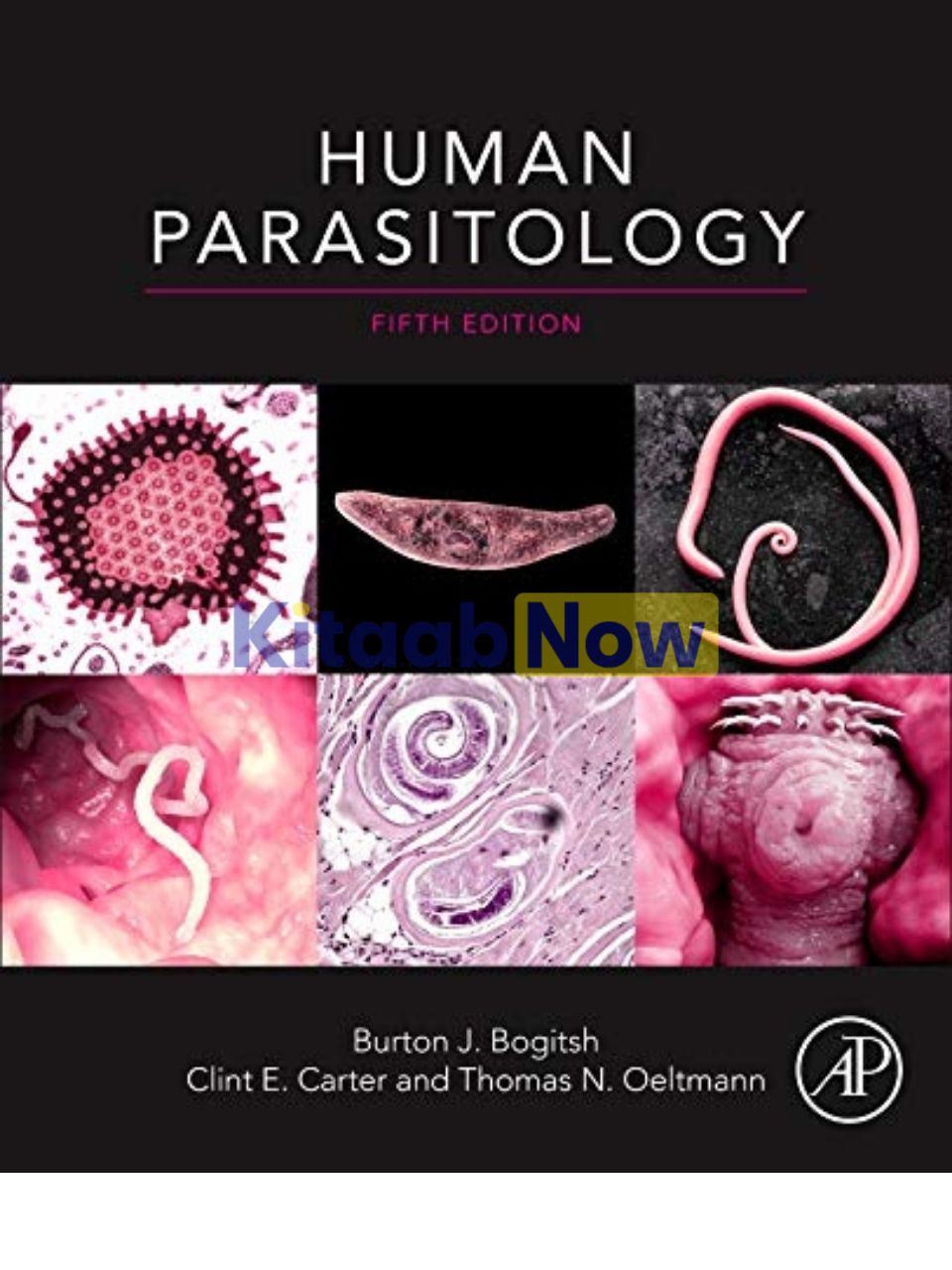
Human Parasitology (5th Edition)
44% off
DescriptionHuman Parasitology, Fifth Edition emphasizes a medical perspective that also incorporates functional morphology, physiology, biochemistry and immunology to enhance appreciation of the diverse implications of parasitism. Bridging the gap between classical clinical parasitology texts and traditional encyclopedic treatises, the book will not only appeal to students interested in the medical aspects of parasitology, but also those who are interested in gaining a solid foundation in the biology of parasites. This updated edition has been fully revised to integrate the most recent molecular discoveries about mosquitoes, ticks and other arthropods as vectors, along with the most effective therapeutic regimens for each.Key FeaturesIntegrates the most recent molecular discoveries on mosquitoes, ticks and other arthropodsFeatures expanded coverage of the evolution of parasitism and an extensive update on the immunology of parasite-host interactionsOffers an enhanced art program that features lifecycle illustrations and additional SEM and TEM micrographsProvides a New Host Immune Response section for each organismIncludes a special section on the impact of genomicsTable of ContentsSymbiosis and ParasitismParasite-Host InteractionsPart I: The ProtozoaGeneral Characteristics of the Euprotista (Protozoa)Visceral Protozoa I: (Amoebae) and CiliophoransVisceral Protozoa II: FlagellatesBlood and Tissue Protozoa I: HemoflagellatesBlood and Tissue Protozoa II: Human MalariaBlood and Tissue Protozoa III: Other ProtistsPart II: The TrematodaGeneral Characteristics of the TrematodaVisceral FlukesBlood FlukesPart III: The CestodaGeneral Characteristics of the CestodaIntestinal TapewormsExtraintestinal TapewormsPart IV: The NematodaGeneral Characteristics of the NematodaIntestinal NematodesBlood and Tissue NematodesPart V: ArthropodaArthropods as VectorsAppendixA. Drugs for Parasitic Infections: Partial List of Generic and Name BrandsB. Current Chemotherapeutic RegimentsC. Adverse Effects of Antiparasitic DrugsAuthors BiographyBurton BogitshBurton J. Bogitsh received his undergraduate education in biology at New York University (University Heights) and his graduate education at Baylor University (M.A.) and the University of Virginia (Ph.D.). He is currently Professor Emeritus of Biological Sciences at Vanderbilt University. He has authored more than 100 publications in the area of parasitology and has co-authored a textbook in General Zoology. He is an associate editor of the Journal of Morphology, co-editor of Volume 2 of the Microscopical Anatomy of Invertebrates, and has contributed many chapters to numerous edited volumes on parasitology. His research interests are in the ultrastructural localization of enzymes in helminths with a primary focus on the digestive tracts of trematodes. Affiliations and Expertise Vanderbilt University, Nashville, Tennessee, USAClint CarterDr. Carter received his B.A. and M.A. degrees in biology at Loma Linda University and his Ph.D. degree at the University of California at Los Angeles. He is currently Professor Emeritus Biological Sciences at Vanderbilt University. He has authored more than 70 publications with a primary focus on the biochemistry and immunology of parasites. He has contributed chapters in several edited volumes such as The Biology of the Tapeworm, Hymenolepis diminuta, and has served on the editorial board of the Journal of Parasitology. His current research interests are centered on the host-parasite interactions of the causative agent of Chagas’ disease, Trypanosoma cruzi. Affiliations and Expertise Professor Emeritus, Vanderbilt University, Nashville, Tennessee, USAThomas OeltmannAffiliations and Expertise Associate Professor of Biochemistry and Medicine Emeritus, Department of Biochemistry, Vanderbilt University, USA
Related products

37% off
69% off
87% off